The Future of Industrial Boilers: Trends and Innovations in Boiler Technology
The Future of Industrial Boilers: Trends and Innovations in Boiler Technology
Industrial boilers play a crucial role in various sectors, from manufacturing to energy production. With rapid advancements in technology, the future of industrial boilers is shifting towards efficiency, automation, and sustainability. In this blog, we explore the latest trends and innovations shaping the future of boiler technology.
1. Energy Efficiency and Sustainability
One of the biggest trends in boiler technology is the focus on energy efficiency. Manufacturers are developing boilers that consume less fuel while delivering higher output. Innovations such as low-NOx burners, heat recovery systems, and advanced insulation materials are improving overall efficiency while reducing environmental impact.
2. Integration of AI and Smart Monitoring
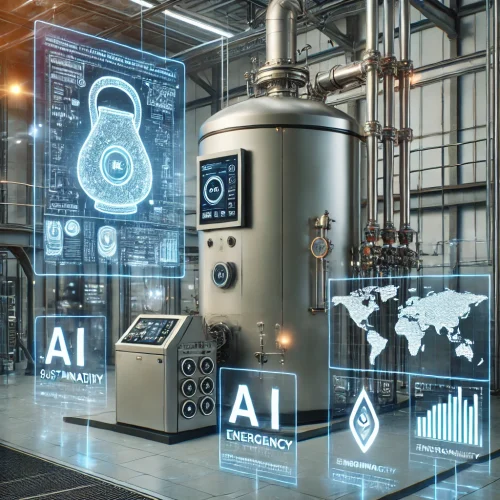
Artificial intelligence (AI) and the Internet of Things (IoT) are transforming industrial boilers. Smart sensors now monitor performance in real time, predicting maintenance needs and optimizing energy usage. AI-powered control systems adjust boiler operations dynamically, ensuring maximum efficiency and minimal downtime.
3. Hydrogen-Fueled Boilers
As industries look for greener alternatives, hydrogen-powered boilers are gaining attention. Hydrogen combustion produces zero carbon emissions, making it an attractive option for industries aiming to achieve sustainability goals. Companies are investing in hydrogen-based boiler technology to reduce their carbon footprint.
4. Modular Boiler Systems
Modular boilers are becoming popular due to their scalability and flexibility. Unlike traditional bulky boilers, modular systems allow industries to add or remove boiler units based on demand, reducing energy waste and operational costs.
5. Hybrid Boiler Systems
Combining traditional fossil fuel boilers with renewable energy sources is another innovation. Hybrid systems integrate solar thermal energy, biomass, or electric heating with conventional boilers, reducing dependency on fossil fuels while ensuring continuous operation.
6. Advanced Water Treatment and Maintenance
Boiler efficiency is heavily influenced by water quality. New automated water treatment systems help in removing impurities, reducing corrosion, and increasing the lifespan of boilers. Innovations in self-cleaning and self-maintaining boiler designs are further enhancing reliability and safety.
7. Stringent Emission Regulations and Compliance
Governments worldwide are imposing stricter emission regulations to combat pollution. Ultra-low NOx burners, carbon capture technologies, and improved combustion efficiency are helping industries comply with these regulations while maintaining optimal performance.
Conclusion
The future of industrial boilers is geared toward efficiency, automation, and sustainability. With AI integration, hydrogen fuel options, and hybrid systems, industries are moving towards cleaner and smarter boiler technology. As these innovations continue to evolve, businesses must stay updated to remain competitive and environmentally responsible.
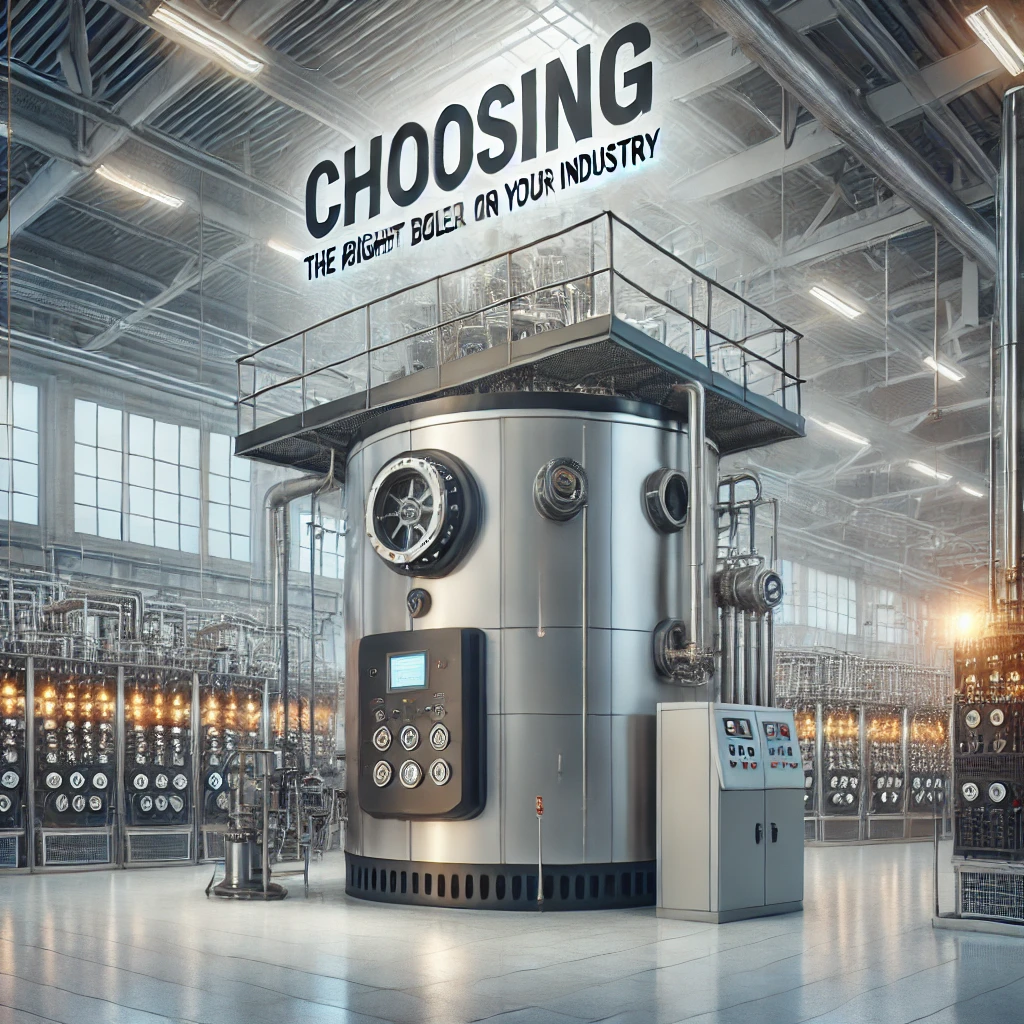
Choosing the Right Boiler for Your Industry: Key Factors to Consider